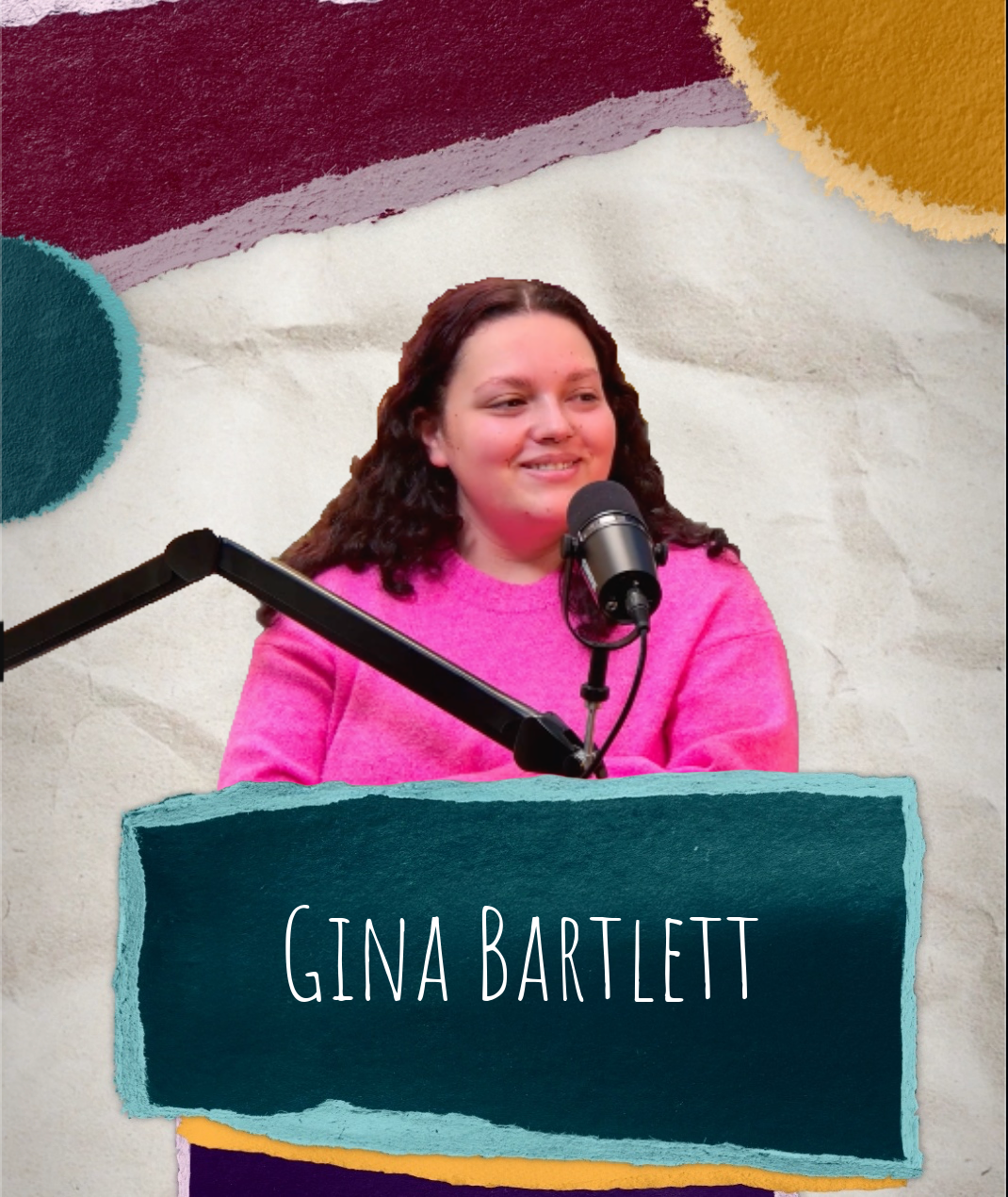
This week Susan and a recent graduate of the University of Pittsburgh's PA Studies Program, Gina Bartlett! Gina worked as an EMT and a paramedic before becoming a PA and this conversation takes a look at what it's like to be there on people's worst days.



0046 - Gina Bartlett.mp3
Susan:
Welcome to Who We Are Inside,
Susan:
a Cupid podcast.
Susan:
I'm so glad you're here.
Susan:
Welcome to Who We Are Inside,
Susan:
a Cupid podcast.
Susan:
Today I have with me Gina Bartlett,
Susan:
who is a former student of mine.
Susan:
Gina is a recent graduate of the University of Pittsburgh's Physician Assistant Studies on-campus program.
Susan:
She's from Eastern PA.
Susan:
Whereabouts,
Susan:
Eastern PA?
Susan:
The Lehigh Valley.
Susan:
Okay.
Susan:
Yep.
Susan:
Lehigh Valley.
Susan:
I know that.
Susan:
And you began your healthcare career there about eight years ago as an emergency medicine technician,
Susan:
right?
Gina:
Correct.
Susan:
Okay.
Susan:
So EMT,
Susan:
for those of us who know all the acronyms.
Susan:
She attended the University of Pittsburgh for undergrad and became a paramedic and is now a certified
physician associate who will be getting her first job,
Susan:
we hope,
Susan:
February 1.
Gina:
Yeah.
Susan:
Gina spent most of her life in roles that demand strength,
Susan:
resilience,
Susan:
and the ability to show up for others in the hardest moments.
Susan:
And that was the last line of your bio.
Susan:
And I'm going to read it again.
Susan:
I'm going to put it from your point of you.
Susan:
I've spent most of my life in roles that demand strength,
Susan:
resilience,
Susan:
and the ability to show up for others in the hardest moments.
Susan:
And I just,
Susan:
I'm curious,
Susan:
can you say more about that?
Gina:
I can.
Gina:
So I would say that that started probably when I was a kid because I was born into addiction,
Gina:
unfortunately.
Gina:
And so I was raised by my grandparents.
Gina:
But when I was eight years old,
Gina:
my grandma passed away from cancer.
Gina:
And so like the resiliency just kind of began then because I didn't really have a choice.
Gina:
And I was caring for myself,
Gina:
but I was also caring for my brother because he was younger than me and I'm the eldest daughter.
Gina:
So we know how that goes.
Gina:
And then as I got older,
Gina:
I felt myself drawn to health care.
Gina:
And I realized that I was in these roles where I'm literally showing up on people's worst days of their lives.
Gina:
And I just go about my day like it's nothing and it's such a privilege,
Gina:
but it's so hard sometimes.
Susan:
Yeah.
Susan:
Yeah.
Susan:
Um,
Susan:
and that's actually what you wanted to talk about today,
Susan:
which I think is something that we don't talk about enough in healthcare,
Susan:
but also as eldest daughters,
Susan:
as,
Susan:
um,
Susan:
women,
Susan:
all of the things kind of rolled up into one.
Susan:
So I'd like to read you what you wrote about your one thing.
Susan:
because it's just really beautiful.
Susan:
And then we can go from there.
Susan:
So you wrote that a big part of my story is how my external identity as the strong,
Susan:
resilient one pushed me into caregiving.
Susan:
That you're steady in a crisis,
Susan:
but the more capable I appear on the outside,
Susan:
the less space,
Susan:
and I'm paraphrasing here a little bit,
Susan:
I've given myself to be vulnerable when I need it.
Susan:
Meanwhile,
Susan:
the internal version of myself is adapting and sometimes burning out,
Susan:
but it goes unseen.
Susan:
I want to talk about how the pressure to stay resilient fuels burnout.
Susan:
A cycle where being good at handling things just leads to being handed more until the internal and external
versions of myself fall out of sync.
Susan:
I can't think of a better way to describe that feeling and how invisible you feel when you're like juggling
all of these things and everyone's just like,
Susan:
yeah,
Susan:
that's just Gina.
Susan:
That's what she does.
Susan:
And you're like,
Susan:
no,
Susan:
I don't actually want to do all of this.
Susan:
Can you please help me?
Susan:
And feeling like you don't have the space or the voice to say,
Susan:
help me.
Susan:
Did I get that right?
Gina:
Yeah,
Gina:
you did.
Gina:
A hundred percent.
Susan:
Yeah.
Susan:
So what about that do you find the most exhausting?
Gina:
It's not exhausting to have to be there for other people because I do enjoy it.
Gina:
But I think it's exhausting to feel like there's this cognitive dissonance all the time where it's like I seem
like I'm so strong and capable and put together.
Gina:
And I'm not saying I'm not.
Gina:
But like sometimes I need people to be there for me in the way that I'm there for them.
Gina:
And maybe sometimes it's my fault for not asking.
Gina:
You know,
Gina:
people aren't mind readers,
Gina:
right?
Gina:
But at the same time,
Gina:
it would be nice if they could show up for me in the way I show up for them.
Susan:
Yeah.
Susan:
What does that look like when they do?
Susan:
Like give me an example.
Gina:
Sorry.
Susan:
No,
Susan:
sorry.
Susan:
I'm sad that you can't even.
Susan:
It's taking that long,
Susan:
I know.
Susan:
I'm not laughing at you.
Susan:
It's just I'm laughing at myself for sort of this is a skill I've had to learn.
Susan:
Go on.
Gina:
No,
Gina:
it is kind of funny.
Gina:
But well,
Gina:
actually,
Gina:
on graduation day,
Gina:
one of my friends,
Gina:
she's older.
Gina:
She's like an advisor at Pitt.
Gina:
She was my academic advisor when I was a freshman and a sophomore.
Gina:
Yeah.
Gina:
So it's so full circle for me now that I'm like a big girl.
Gina:
But she was volunteering there.
Gina:
And I was able to just call her and be like,
Gina:
Emily,
Gina:
I don't have my regalia on yet.
Gina:
Graduation starts in like 20 minutes and I don't know what to do.
Gina:
And it was so dramatic.
Gina:
Right.
Gina:
Because it really wasn't that serious.
Gina:
But it felt like really serious because I spent all day like schlepping my my family into the peat and like
trying to get everybody where they needed to go.
Gina:
Nobody was schlepping me anywhere.
Gina:
Yeah.
Gina:
Fine.
Gina:
Whatever.
Gina:
But like my regalia still wasn't on and she dropped everything she was doing and she came and she helped me
put it on,
Gina:
which is such a little thing.
Gina:
But when you feel like you're constantly doing everything for everyone,
Susan:
it's nice when people like can do that.
Susan:
Yeah.
Susan:
When you feel cared for.
Susan:
Yeah.
Susan:
Well,
Susan:
and let's let's like rewind a little bit because you're talking about putting on your regalia after achieving
your master's degree in physician assistant studies at the University of Pittsburgh.
Susan:
So like not really a little thing because that's a huge symbolic moment of like all that you've achieved and a
huge,
Susan:
I don't know,
Susan:
like don't downplay that.
Gina:
That is true.
Gina:
It seems silly to be like crying about the fact that the regalia wasn't on,
Gina:
but it is a big deal.
Gina:
You're right.
Gina:
It's a huge deal.
Susan:
I mean,
Susan:
so much about I think we as humans,
Susan:
like why do we do things like graduations or weddings?
Susan:
It's about ritual.
Susan:
It's about taking the time to acknowledge the work and sacrifice and things that we've done.
Susan:
And even though,
Susan:
yeah,
Susan:
putting on something that looks like it would come out of Harry Potter is like silly if you think about it.
Susan:
Especially those hats that they have to wear.
Susan:
They're like volunteers.
Susan:
They ask us to do volunteering.
Susan:
And I'm like,
Susan:
I cannot ever wear that hat.
Susan:
So I'm not going to volunteer.
Susan:
I'm sorry.
Susan:
I'm getting off topic.
Susan:
But like,
Susan:
but it's a huge deal because you're like donning this,
Susan:
this clothing as a symbol of everything that you've done.
Susan:
So I'm so glad that she was able to just be there and not just like help you get on your regalia,
Susan:
but like really be with you in that transition of like,
Susan:
yeah,
Susan:
I was with you your freshman year and here I am,
Susan:
you know,
Susan:
putting this on to signify you as a graduate of this master's program that you've worked so hard to get
through.
Gina:
Yeah.
Susan:
Yeah.
Susan:
That's huge.
Susan:
And being cared for.
Susan:
So,
Susan:
okay.
Susan:
Tell me about a time where you,
Susan:
that did not happen.
Gina:
I,
Gina:
I was probably like a very new paramedic,
Gina:
like two or three months out of paramedic school.
Gina:
And I had a patient who unfortunately crashed,
Gina:
like as soon as we got to the hospital and ultimately didn't make it.
Gina:
And now I'm eight years into this and that's,
Gina:
you know,
Gina:
just a thing that happens and it is what it is.
Gina:
But I think in that moment I needed a lot more support than what I was given.
Gina:
And I had reached out to my boss and I was like,
Gina:
after this was a couple months after,
Gina:
because I was having dreams about it.
Gina:
And I told my coworker and she was like,
Gina:
Gina,
Gina:
you need to do something about this.
Gina:
Like,
Gina:
that's not normal.
Gina:
And I didn't know that.
Gina:
Right.
Gina:
And I reached out to my boss and I said like,
Gina:
hey,
Gina:
I think I might need like what's called a CISM team,
Gina:
a critical incident stress management team.
Gina:
They're supposed to bring them in.
Gina:
Like if we ask for them or if there's something really traumatic that happens.
Gina:
And he gave me the phone number and he told me to call the guy and I called the guy and nobody ever got back
to me.
Gina:
And so I'm okay now.
Gina:
Like I went through therapy.
Gina:
I'm good.
Gina:
But I think I could have been better had it happened like when I needed it.
Susan:
Right.
Susan:
Because what you were taught then is this isn't an incident that requires schism.
Susan:
Like watching somebody expire in front of you is not traumatic enough to warrant a callback.
Gina:
Right.
Susan:
And that I think is the heart of why medicine is super fucked up.
Gina:
Yep.
Gina:
It is.
Susan:
I remember I was an undergrad and I did I was an artificial heart balloon pump technician.
Susan:
So it was like mostly engineering,
Susan:
like bio engineering students at Pitt,
Susan:
but somehow I got this role.
Susan:
And so I was just in charge of the balloon pumps,
Susan:
which like not to get really technical here,
Susan:
but essentially it's a big balloon that goes in to the aorta and it like expands and gets smaller to basically
like help the heart.
Susan:
It's like a step before like an artificial heart.
Susan:
And it was learning some physiology.
Susan:
It was cool.
Susan:
I got to like play with buttons.
Susan:
But the one day there was a patient who was going to be made comfort measures only.
Susan:
So they were going to be,
Susan:
you know,
Susan:
purposely kind of taken off of everything and let pass.
Susan:
And my boss was like,
Susan:
all right,
Susan:
like go turn off the balloon pump.
Susan:
And at the time I didn't.
Susan:
I was 19.
Susan:
I didn't know that like the balloon pump wasn't the thing that was keeping the patient alive.
Susan:
Like I think the patient had already been extubated.
Susan:
So the breathing tube had come out.
Susan:
Like they were probably already like certifiably deceased.
Susan:
But I didn't know that.
Susan:
And so I'm going into this room.
Susan:
It wasn't even a room because back then we actually just had like beds with like the curtains.
Susan:
And I'm like having to turn off this machine.
Susan:
And think that like it is my hand on that button that is like separating this person who is living into dying,
Susan:
into being deceased.
Susan:
And yeah,
Susan:
nobody was like,
Susan:
you know,
Susan:
I'll come here with you.
Susan:
Or nobody asked me afterwards like,
Susan:
how are you?
Susan:
That must have been hard.
Susan:
It was sort of like,
Susan:
yeah,
Susan:
this is just what we do.
Susan:
and then we're taught to completely suppress everything or that it's weakness to show any sort of you know
emotion in medicine and we wonder why the rates of burnout and drug abuse and suicidality are so high and of
course that's traumatic you didn't know no I had no idea yeah I thought that it was I was like the hand that
was stopping everything um and maybe if they had done a better job of like explaining that to me that it would
have felt less weird but um yeah and I think too how old were you
Susan:
when this happened 21 okay yeah so like our frontal lobes weren't even fully formed yet no and we had adults
that we were looking towards for comfort and guidance and like to carve a path through this that didn't lead
to PTSD which it sounds like what you had afterwards at least um and they they weren't there yeah and then
you're just taught that you're not there is no space for vulnerability in these work environments yep yeah oh
so when I was reading about your one thing I thought of a song it's
Susan:
gonna make me seem like an uber nerd but here we go have you ever seen the movie Encanto no oh my gosh okay
first of all if you've not seen it you need to see the movie Encanto if you know anyone who has Disney plus
I'm not condoning Disney plus I know there's been issues with Disney this year last year we're not going there
Disney owns Encanto okay it's this amazing story I won't go into it that much but essentially there's a girl
whose family all has like superpowers and she doesn't she's just
Susan:
like didn't get them.
Susan:
And it's a beautiful story about like recognizing that she did have a superpower.
Susan:
It just wasn't like a really obvious one.
Susan:
But anyway,
Susan:
her oldest sister sings this song called Surface Pressure.
Susan:
And when I was really going through it with Ben and when I was watching my PA students and PT students like
start to lose it,
Susan:
I would just like blast the song in my car and sing it really loudly because to me,
Susan:
it just like it just encapsulated everything that I think we all go through as health care providers and
parents and oldest siblings.
Susan:
So I'm just going to read a couple of the lyrics.
Susan:
I will not sing because that's I don't want to put you through that.
Susan:
All right.
Susan:
I'm the strong one.
Susan:
I'm not nervous.
Susan:
I'm as tough as the crust of the earth is.
Susan:
I don't ask how hard the work is.
Susan:
Got a rough,
Susan:
indestructible surface.
Susan:
Diamonds and platinum,
Susan:
I find on my platinum.
Susan:
I take what I'm handed.
Susan:
I bring what's demanded.
Susan:
But under the surface,
Susan:
I feel berserk as a tightrope walker in a three-ring circus.
Susan:
This sounds a lot less cool than when the singer is like rapping it.
Susan:
Under the surface,
Susan:
was Hercules ever like,
Susan:
yo,
Susan:
I don't want to fight Cerberus.
Susan:
And I think about like all of the pressure,
Susan:
it's called surface pressure,
Susan:
the pressure we put on ourselves to be this like really strong,
Susan:
resilient person.
Susan:
And we don't take enough time to really talk about the impact that has on us,
Susan:
but also the fact that like maybe we just don't feel like doing it that day.
Susan:
And why is that not okay?
Gina:
I think it should be okay.
Susan:
It should be okay.
Susan:
Right.
Susan:
so you're now in a caring field right you're gonna be you are a PA we hope a surgical trauma PA wink wink to
Forbes shout out um how do you take what you've learned what you've experienced and bring it to your this next
role like in terms of my education or no no not that that's easy no like the this idea of like balancing
resilience resiliency with the ability to be vulnerable to ask what's what you need to ask for what you need
um and to recognize that in others too right I think it's hard to ask
Gina:
for what you need when you've spent like so many years kind of ignoring what you need um but as I get older I
realized that like I can't show up for my patients if I'm like not the best version of myself I can but it's
not going to be the best like amount of care that I could provide yeah so I think honoring like your feelings
is super important when it comes to this stuff taking time for yourself and asking for help when you need it
even if it's hey I need someone to talk to.
Gina:
And then I do I find myself doing this now,
Gina:
like when I have trainees or if I see other students in the like ER during clinicals or something,
Gina:
I'm if something happens,
Gina:
I'm like,
Gina:
are you guys good?
Gina:
Like genuinely,
Gina:
are you OK?
Gina:
Do you need somebody?
Gina:
Do you need a minute?
Gina:
Like because nobody was doing that for me.
Gina:
And I think it goes such a long way.
Susan:
Yeah.
Susan:
Yeah.
Susan:
Even if they say,
Susan:
no,
Susan:
I'm OK.
Susan:
At least they know they were seen in that moment.
Gina:
Right.
Susan:
And I might go a step further to say something like,
Susan:
you know,
Susan:
that was really hard.
Susan:
What what do you need right now?
Susan:
Because it's almost like.
Susan:
Are you OK?
Susan:
It's so easy to just be like,
Susan:
yeah,
Susan:
I'm fine.
Susan:
But if you say,
Susan:
no,
Susan:
that was hard.
Susan:
What do you need now?
Susan:
Someone has to think about it before they say,
Susan:
oh,
Susan:
I don't I don't need anything.
Susan:
I'm OK.
Susan:
It's like I don't know if you were taught this,
Susan:
but I was always taught if you ask somebody about,
Susan:
you know,
Susan:
their alcohol use,
Susan:
rather than saying,
Susan:
do you drink?
Susan:
You say,
Susan:
how many drinks do you have a day?
Susan:
Which sounds wild,
Susan:
but like for the person who does drink every day,
Susan:
they'll be honest with you about it because you're normalizing it,
Susan:
right?
Susan:
And for the person who doesn't,
Susan:
they're like,
Susan:
oh,
Susan:
I don't drink every day.
Susan:
I drink,
Susan:
you know,
Susan:
a couple times a week or whatever it is.
Susan:
And I think that's the same here,
Susan:
right?
Susan:
Like we should normalize the fact that you should need something in that space.
Susan:
And if you don't,
Susan:
awesome.
Susan:
So that's what I try to do.
Susan:
I always,
Susan:
not always,
Susan:
I really aspire to just validate the hard,
Susan:
even if it's not hard for that person,
Susan:
that like for most people,
Susan:
it would probably be hard and normalizing that you should need something,
Susan:
even if it's just a hug or,
Susan:
you know,
Susan:
two minutes to like take a break,
Susan:
take a breather.
Susan:
Yeah,
Susan:
because I don't think we do that enough for one another in healthcare.
Gina:
We don't.
Susan:
Yeah.
Susan:
So I'm curious,
Susan:
like,
Susan:
it sounds like you've been in this space of like resiliency and kind of this tough exterior for a really,
Susan:
really long time.
Susan:
What Well,
Gina:
that's a good question.
Gina:
I've had to unlearn saying yes to everything,
Gina:
which sounds like it wouldn't relate.
Gina:
But for some reason,
Gina:
I'm a yes man.
Gina:
And even though I do say yes to everything now,
Gina:
I will say that I think it's gotten better as I've gotten older.
Gina:
And I've also had to unlearn that my feelings aren't dramatic.
Gina:
I've spent so much time telling myself,
Gina:
you're being dramatic.
Gina:
This is not a big deal.
Gina:
Yes.
Gina:
And I'll tell people when they're asking,
Gina:
how are you doing?
Gina:
And I'll be like,
Gina:
oh,
Gina:
I'm really not doing well,
Gina:
but I'm just being dramatic.
Gina:
I'm fine.
Gina:
And they'll be like,
Gina:
no,
Gina:
Gina,
Gina:
you cannot be doing well,
Gina:
and that's not dramatic.
Gina:
Yes.
Gina:
Even if it feels dramatic,
Gina:
it's not.
Susan:
Yes.
Susan:
You've had to unlearn to not gaslight yourself.
Susan:
Yes.
Susan:
Wow.
Susan:
Wow.
Susan:
That just,
Susan:
I need to like marinate on that for a minute.
Susan:
What does that look like?
Susan:
Like,
Susan:
help me see that because I feel like,
Susan:
I feel like I need some,
Susan:
some work here.
Susan:
So yeah,
Susan:
walk me through that.
Gina:
It's still very much a work in progress.
Susan:
That's it.
Susan:
We aspire.
Susan:
That's all we can do.
Gina:
Exactly.
Gina:
but um it's like I said before it's really just honoring your feelings and instead of being like wow I'm
really upset about like that call I just had with a really sick patient but I'm being dramatic it's like no
like you can be upset like that's somebody's family member and that's you know somebody's wife sister whatever
and you're allowed to be upset about that even if your coworkers think it's normal.
Gina:
It's not.
Gina:
And that's okay.
Gina:
Yeah.
Susan:
Yeah.
Gina:
Yeah.
Susan:
Um,
Susan:
that made me think a little bit about the difference between,
Susan:
I'm going to get this wrong,
Susan:
but I'm going to do my best here.
Susan:
So like cognitive empathy,
Susan:
like affective empathy and compassion.
Susan:
So I just learned this.
Susan:
Um,
Susan:
and for anyone who's listened to this podcast before,
Susan:
you know that my sage is Brene Brown.
Susan:
I am not a religious person,
Susan:
but if I were,
Susan:
I would have a shrine for her,
Susan:
which is blasphemous.
Susan:
And I'm sorry to those of you who are religious.
Susan:
But,
Susan:
you know,
Susan:
she just did a talk about this with another author and they talk about sort of this,
Susan:
these two parts of empathy.
Susan:
So there's the empathy where you're like putting yourself in the person's shoes and you are feeling what
they're feeling.
Susan:
You're like allowing yourself to feel that.
Susan:
And then there's cognitive empathy where you're able to think about what it would be like to be that person.
Susan:
But there's this like just very fine barrier between thinking about what it's like and actually allowing that
like just wave of really strong emotion to come inside of you.
Susan:
And they liken it to like if you have somebody who's in a hole,
Susan:
like your,
Susan:
you know,
Susan:
your patient's family member who's down in this really dark and horrible hole,
Susan:
affective empathy is jumping into the hole next to them.
Susan:
And cognitive empathy is standing on the ground,
Susan:
like next to the hole.
Susan:
And then compassion is that since you have this cognitive empathy,
Susan:
and you've got some space between you and that person,
Susan:
you're able to like lean your hand down and pull them up.
Gina:
Okay,
Susan:
so it's I'm trying to think.
Susan:
Okay,
Susan:
here's an example I'll give you.
Susan:
Because I realized that's,
Susan:
they spent like an hour talking about this and I just summed it up in 30 seconds.
Susan:
So I have a friend of a friend who has a child that has had a really long journey in the NICU and,
Susan:
you know,
Susan:
lots of,
Susan:
you know,
Susan:
developmental challenges from that,
Susan:
which I relate to,
Susan:
right,
Susan:
with Ben.
Susan:
And then completely unrelated,
Susan:
was diagnosed with cancer and is very close to being palliative.
Susan:
Yeah.
Susan:
Yeah.
Susan:
So when I first heard this,
Susan:
I jumped right in that hole because I thought about how like hard I fought and not not I didn't think about
it.
Susan:
I felt it.
Susan:
I felt the like years of just like suffering and fighting and,
Susan:
and everything that you're doing for your kid because they're your whole world.
Susan:
And to think that you're finally starting to make some progress like we are right now.
Susan:
And then to have the rug pulled out from under you.
Susan:
And to know that you're going to have to say goodbye to your child.
Susan:
Like I'm doing it right now.
Susan:
I'm doing it right now.
Susan:
This affective empathy,
Susan:
right?
Susan:
Like you're allowing your body to feel that and your body doesn't know that that's not your experience.
Susan:
So it's really traumatic.
Susan:
It's really draining.
Susan:
Cognitive empathy is the ability to hold space to say,
Susan:
I can only imagine what that is like.
Susan:
I need to keep myself and my feelings outside of that so that I can then reach out to her and say,
Susan:
I can only imagine what you're going through.
Susan:
What does support look like for me?
Susan:
Or not even asking,
Susan:
I'm going to,
Susan:
you know,
Susan:
I'm going to send you like a week's worth of meals.
Susan:
So you just,
Susan:
it's one less thing you have to think about.
Susan:
Right.
Susan:
But if I'm in that hole,
Susan:
if I'm feeling all of those things,
Susan:
now I'm frozen.
Susan:
And I'm also thinking about me,
Susan:
right.
Susan:
And I'm not necessarily thinking about her in that way.
Susan:
I mean,
Susan:
not intentionally,
Susan:
but that's kind of what happens.
Susan:
And so I think for those of us who can be dramatic,
Susan:
which I really hate,
Susan:
and I don't think men are ever called dramatic.
Susan:
So we won't get into that.
Susan:
That's a whole nother podcast.
Susan:
But I think it's about if you're thinking I'm being dramatic,
Susan:
I think the question is like,
Susan:
am I allowing myself?
Susan:
Am I in cognitive empathy where I'm thinking about it and I can acknowledge that it's painful and it's sad?
Susan:
and it's all these things?
Susan:
Or is my body actually feeling all of those emotions?
Gina:
That's a good way to think of it.
Gina:
I've never heard of like the difference between the two before.
Susan:
Yeah,
Susan:
I hadn't either.
Susan:
I did a little bit of that research when in doing the Cupid course about how do we build empathy and,
Susan:
you know,
Susan:
perspective taking and all that thing,
Susan:
all that stuff.
Susan:
And then what I didn't know,
Susan:
too,
Susan:
was that compassion,
Susan:
which I always thought was kind of the same as empathy is actually the action that you take when you are
experiencing or choosing to experience cognitive empathy.
Gina:
Oh,
Gina:
okay.
Susan:
Yeah.
Susan:
I didn't know that.
Susan:
It was like a mind blown moment.
Susan:
Yeah.
Susan:
So compassion is the extra time you took to talk to that family member on the phone that maybe one of your
partners would have chosen to just be like,
Susan:
oh,
Susan:
you know,
Susan:
I need to go.
Susan:
I've got another call,
Susan:
whatever.
Susan:
And you know that like,
Susan:
I'm going to pause.
Susan:
I'm going to take a little bit more time with this person because I'm choosing to have cognitive empathy here
and the compassion is giving them a little bit more of my time.
Susan:
And I think for those of us who,
Susan:
like I said,
Susan:
tend to be dramatic,
Susan:
we have trouble putting in that space between cognitive empathy and affective empathy.
Susan:
And we take on those feelings and that's so,
Susan:
so heavy.
Gina:
Yeah,
Gina:
it is.
Susan:
And then like also trying to pretend like we're not feeling at all.
Gina:
Yeah.
Gina:
And then on the inside,
Gina:
you're actually feeling everybody's feelings.
Gina:
Yeah.
Gina:
Yeah.
Susan:
Yeah.
Susan:
Yeah.
Susan:
Oh,
Susan:
you know what they called it actually in the podcast?
Susan:
I'm remembering now they called it enmeshment.
Gina:
Oh,
Gina:
that's a good word for it.
Gina:
Yeah.
Susan:
It's like a blending or like a blurring of like where your experience begins versus where their experience
ends and you're like coming together.
Gina:
Wow.
Susan:
Yeah.
Gina:
I've never thought of any of this like this before.
Susan:
I'll send you the episode.
Susan:
She's the best.
Susan:
Yeah.
Susan:
It's to say nothing of the fact that like you're going to feel feelings,
Susan:
right?
Susan:
Like we can't take away the fact that we're feeling feelings.
Susan:
Um,
Susan:
but I think sometimes,
Susan:
at least for me,
Susan:
it's like I feel them and it's like I,
Susan:
I almost can sense that that moment where I could choose to not.
Susan:
And then I like do it anyway because I feel like I should.
Susan:
Or I think sometimes I just like feeling really like deep,
Susan:
hard feelings,
Susan:
which is masochistic and weird.
Susan:
But like you can I can say I can always sense like where that film is.
Susan:
and sometimes I choose to go through it.
Susan:
And I think sometimes we always will,
Susan:
but like how do we try to notice that and notice when we've enmeshed and kind of back away?
Gina:
Yeah,
Gina:
and I don't know if there's really a way to do that.
Gina:
Like notice it,
Gina:
you know?
Susan:
Yeah.
Gina:
Oof.
Susan:
I don't know.
Susan:
I'll let you know.
Susan:
I'll let you know when I figure that out.
Gina:
Please do.
Susan:
I mean,
Susan:
I think like if it's a spectrum between like you've truly just pushed away all of your feelings and they are
just buried somewhere so deep,
Susan:
not even the best therapists on earth could find them.
Susan:
And like you're totally enmeshed.
Susan:
Right.
Susan:
There's this space in the middle where you acknowledge that person's pain,
Susan:
but you don't.
Susan:
You choose not to feel it yourself in your body.
Gina:
Right.
Susan:
And.
Susan:
I think the only way to do that is with any,
Susan:
it's like some sort of mindfulness of like getting into your own body and recognizing when like,
Susan:
okay,
Susan:
I was talking about that.
Susan:
I felt my chest get tight.
Susan:
I felt my heart rate go up.
Susan:
Now I'm going to intentionally like slow down my heart rate,
Susan:
you know,
Susan:
um,
Susan:
try to like relax my chest.
Susan:
Um,
Susan:
and notice when that works and notice when it doesn't.
Gina:
Yeah.
Susan:
Yeah.
Susan:
I think it's,
Susan:
at least for me,
Gina:
it feels hard because I'm so used to ignoring those things,
Gina:
you know?
Gina:
So like you said,
Gina:
it is really mindfulness.
Susan:
Yeah.
Susan:
I think that,
Susan:
well,
Susan:
and please don't talk about this if you don't want to,
Susan:
but I imagine that I know for kids that experience,
Susan:
you know,
Susan:
things that are unpleasant or not sort of typical,
Susan:
there's this intentional,
Susan:
like,
Susan:
I'm trying to say like safety pathway,
Susan:
I guess,
Susan:
that gets built where you teach yourself to not feel your feelings,
Susan:
to not feel your feelings,
Susan:
to not be in your body.
Susan:
Because like your body may not be a super safe place at the moment.
Susan:
And that you like it's the unlearning of that and making sure that you are acknowledging that you feel safe in
your body.
Susan:
I don't know if that resonates and I don't want to get into things that are too personal,
Susan:
but.
Gina:
Oh,
Gina:
that's OK.
Gina:
It definitely does resonate.
Gina:
I think as a kid,
Gina:
I was told a lot that like I needed to stop crying or I was being dramatic.
Gina:
And I think that that's why now that I'm an adult,
Gina:
I find myself telling myself like you're being dramatic.
Gina:
You're not.
Gina:
You're just like your feelings weren't honored when you were a kid and you don't know what to do with those
now that you're an adult.
Susan:
Yeah.
Gina:
And so like I have to unlearn it,
Gina:
but not just because of like what I've been through as an adult.
Gina:
Like it definitely stems from like everything I've been through as a kid too.
Susan:
Yeah.
Gina:
Yeah.
Susan:
Have you ever done any internal family systems work?
Susan:
No.
Susan:
Oh,
Susan:
man.
Susan:
That's a fun one.
Susan:
I'm going to do it in injustice,
Susan:
so I won't belabor it.
Susan:
but it basically splits you into all of these parts.
Susan:
And one of your parts might be that like eight year old kid that was being told that they were dramatic or
that they should stop crying.
Susan:
I think I made up the eight year old part,
Susan:
but however old you were.
Susan:
And actually like finding that part in you,
Susan:
that part that talks when you're feeling a feeling now And like it's a lot of weird visualization,
Susan:
but like being the grown up that like takes care of that part and like gives that part what she should have
had when she was little.
Gina:
OK,
Gina:
so like healing your inner child.
Gina:
Yeah,
Gina:
yeah,
Susan:
yeah.
Susan:
But then you can recognize you like lots of parts.
Susan:
It's it's a very interesting theory and I think it can be very useful.
Susan:
And Therapist Uncensored is a podcast that I sometimes listen to that goes into internal family systems a lot
if you're interested.
Susan:
But so what do you do to get into your body and be mindful and kind of find space for vulnerability?
Gina:
this is hard because I feel like I don't do a very good job of doing things for myself.
Gina:
And that's always been like my theme is like just running myself ragged and not like honoring how tired I am
at the end of the day.
Gina:
Like just to put it simply,
Gina:
um,
Gina:
I feel like before I went back to school,
Gina:
but during my gap year,
Gina:
I did get pretty good at just like being more mindful.
Gina:
And like we were talking about before this,
Gina:
um,
Gina:
my big thing right now is doom scrolling.
Gina:
And I've noticed that that's been really,
Gina:
really bad for my mental health,
Gina:
just given the state of everything right now.
Gina:
So I've been joking,
Gina:
kind of joking,
Gina:
but not really,
Gina:
that my New Year's resolution is to just put the phone down.
Gina:
Like,
Gina:
I don't care where it is.
Gina:
It needs to be in a different room.
Gina:
And we're reading books and we're doing puzzles like we're old ladies and snuggling on the couch with the
cats.
Gina:
And it's been great.
Susan:
Yay.
Gina:
Definitely not as much as I should be doing it.
Gina:
But when I catch myself like falling down these holes,
Gina:
I'm like,
Gina:
we need to just disconnect for a minute.
Susan:
Yeah.
Gina:
Because even with like taking the doom scrolling out of it,
Gina:
I think that humans were not meant to have 24-7 access to each other.
Gina:
And my phone is constantly dinging with like,
Gina:
hey,
Gina:
can you do this?
Gina:
Hey,
Gina:
help me with this.
Gina:
And like sometimes I just I don't want to see what people want,
Gina:
you know,
Gina:
like it needs to go away.
Susan:
Oh,
Susan:
my gosh.
Susan:
I think I need that framed.
Susan:
Sometimes I just don't want to see what people want.
Susan:
Yes.
Gina:
Yeah.
Susan:
Amen.
Gina:
Hallelujah.
Susan:
Yes.
Susan:
Yes.
Susan:
And I think,
Susan:
too,
Susan:
like with doom scrolling,
Susan:
you know,
Susan:
and I remember kind of in the same way we were talking about with my kind of friend of a friend is like you
feel like it's like,
Susan:
well,
Susan:
I'm not going through this the way they are.
Susan:
But I should be doing,
Susan:
it's not fair that I'm not going through this the way this group of people is or this individual.
Susan:
And so I'm just going to like experience it as much as I can so that like since I can't actually experience
it.
Susan:
Do you see what I'm trying to say?
Susan:
I do.
Susan:
Like if they have to live this 24-7,
Susan:
the least I can do is feel just as shitty for 10 minutes.
Gina:
Yes.
Susan:
Right?
Gina:
Yes.
Susan:
But that doesn't help anything.
Gina:
No,
Susan:
it doesn't.
Susan:
That's just jumping in the hole.
Gina:
Yep.
Susan:
Yeah.
Susan:
So we should just like read a book to educate ourselves on like the system that put them there and take action
where we can and keep that film,
Susan:
that space between what they are going through,
Susan:
which is awful.
Susan:
But if we're feeling it too,
Susan:
then we are frozen.
Susan:
We're almost like doing them a disservice.
Gina:
Yeah.
Gina:
And it's I think it's hard because I catch myself being like,
Gina:
oh,
Gina:
I can't look at this anymore.
Gina:
And then I have to remind myself that that is such a privilege.
Gina:
Like,
Gina:
yeah,
Gina:
there are a lot of people who unfortunately don't have the privilege to ignore the news.
Gina:
Right.
Gina:
So then it's like,
Gina:
how do you balance like being informed and educated,
Gina:
but not jumping in the hole?
Susan:
Yeah.
Susan:
I think that's really hard.
Gina:
It is.
Susan:
I don't think there's a right answer.
Susan:
And I think if you asked a bunch of people,
Susan:
they would all have different answers.
Susan:
Like I think some people might say,
Susan:
no,
Susan:
you know what?
Susan:
It is a privilege.
Susan:
Get in that frigging hole.
Susan:
Get in the hole.
Susan:
And maybe they're not wrong,
Susan:
right?
Susan:
In some instances.
Susan:
But I think if we can get in the hole with our minds and not our bodies,
Susan:
we will have the energy and the capacity to do something,
Susan:
to have action rather than to,
Susan:
quote,
Susan:
unquote,
Susan:
like,
Susan:
just feel.
Susan:
It's like,
Susan:
you know,
Susan:
I thought about this,
Susan:
actually.
Susan:
So after the Tree of Life massacre,
Susan:
that happened two days before my eldest son was born.
Susan:
And I am half Jewish.
Susan:
I had a bat mitzvah and stuff.
Susan:
I'm not a religious person.
Susan:
But,
Susan:
you know,
Susan:
to the person who shot up Tree of Life,
Susan:
like they don't care.
Susan:
Right.
Susan:
My kid is Jewish,
Susan:
even though he's only a quarter Jewish.
Susan:
And I thought about that.
Susan:
And like this was the first time I had to think about my child being unsafe in the world just because of his
heritage,
Susan:
ethnicity.
Susan:
I know that gets sticky,
Susan:
but whatever his his identity.
Susan:
Right.
Susan:
But then I thought about the fact that like that's the that black and brown mothers experience every day.
Susan:
And I only had to be reminded of that when like this horrific thing happened.
Susan:
And I hadn't thought about it really before then.
Susan:
I mean,
Susan:
I had,
Susan:
I'd learned,
Susan:
you know,
Susan:
I'd learned about it.
Susan:
Obviously I did some reading about,
Susan:
you know,
Susan:
police brutality and all of these things.
Susan:
But I hadn't really had that true cognitive empathy until I thought about what it would be like to have James
out in the world and worrying about him getting hurt.
Susan:
But in that moment,
Susan:
I remember I was sitting in my car.
Susan:
I was actually at OB-GYN PA at the time I was at West Penn.
Susan:
And I remember sitting in my car and just being like,
Susan:
I can only imagine what that's like.
Susan:
I'm not going to let myself like fall into despair because I know these women don't.
Susan:
And so how can I hold space and fight for what I know to be right,
Susan:
that all mothers,
Susan:
no mothers,
Susan:
have to worry about their children getting murdered or injured or assaulted because of the way they look?
Gina:
Yeah.
Susan:
But I think that's different for everybody and for every situation.
Gina:
I think it is too.
Susan:
And I think even better,
Susan:
I should ask one of those mothers what would support look like for you?
Gina:
Yes.
Susan:
And I imagine none of them would say,
Susan:
I want you to crumple up into a ball and cry.
Susan:
No,
Susan:
probably not.
Susan:
I think they would be like,
Susan:
get the fuck up.
Susan:
Get up.
Susan:
You know?
Susan:
So,
Susan:
yeah,
Susan:
I don't know.
Susan:
Maybe that's it.
Susan:
Maybe it's asking yourself in those moments where you're like,
Susan:
I should feel this because it's a privilege that I don't,
Susan:
that I'm not experiencing this,
Susan:
to ask yourself,
Susan:
like,
Susan:
what would they want me to do?
Susan:
to do,
Susan:
or maybe there's somebody who's saying what they want.
Susan:
Right.
Susan:
Um,
Susan:
and leaning into compassion rather than affective empathy.
Gina:
Yeah.
Gina:
Which as we know can be hard,
Gina:
but yeah,
Gina:
I think it's important.
Gina:
Super hard,
Susan:
man.
Susan:
This has been heavy.
Susan:
This has been a heavy conversation.
Susan:
Um,
Susan:
what are you doing in this is we're recording this in January of 2026,
Susan:
um,
Susan:
super light and fun time to be alive and thinking about humans and,
Susan:
um,
Susan:
the care of them.
Susan:
We'll just go with that.
Susan:
Um,
Susan:
what are you doing to stay light?
Gina:
It's really hard right now,
Gina:
I can't lie,
Gina:
because even if I just want to like watch a funny TikTok,
Gina:
I cannot open my TikTok without being bombarded by what is going on in the world.
Gina:
And again,
Gina:
like it's so important,
Gina:
but sometimes I just want a little lighthearted,
Gina:
funny TikTok,
Gina:
you know?
Susan:
Yeah.
Gina:
So I've been trying to read a lot more because before I went back to school,
Gina:
I read 52 books that year and that was honestly incredible.
Gina:
I think there's a literacy crisis.
Gina:
So reading,
Gina:
you know,
Gina:
it makes you more empathetic.
Gina:
You learn a lot more.
Gina:
And it's not a screen.
Susan:
Yeah.
Gina:
So I've been trying to do that.
Gina:
And I've been trying to surround myself with friends and,
Gina:
like,
Gina:
get out of the house so I don't,
Gina:
you know,
Gina:
just sit there in despair and wonder,
Gina:
like,
Gina:
what's going to happen?
Gina:
What are we doing?
Susan:
Yeah.
Gina:
And that's been really nice because the people that like I,
Gina:
you know,
Gina:
I made time for them during school,
Gina:
but it's not as much time as I would have liked.
Gina:
So it's nice to be able to like reconnect.
Susan:
Yeah.
Susan:
So reading and gathering.
Gina:
Yes.
Susan:
Oh,
Susan:
I love that.
Susan:
What are you reading right now?
Gina:
I'm reading a book called The Mad Wife,
Gina:
which is about a 1950s housewife,
Gina:
which is not a very lighthearted book,
Gina:
but she just gave birth to her second kid.
Gina:
And I am not very far into it,
Gina:
but I feel like it's following some postpartum depression,
Gina:
possible psychosis kind of thing.
Gina:
And how it,
Gina:
you know,
Gina:
because it was so different back in the 1950s for women.
Susan:
Yeah.
Gina:
And even like I read Lessons in Chemistry a couple years ago.
Gina:
I don't know if you've read that book.
Gina:
No.
Gina:
It's another historical fiction book about how women were treated in the 50s and 60s.
Gina:
And I was floored because I just didn't.
Gina:
I was born in 2000.
Gina:
Like,
Gina:
yeah,
Gina:
I was very lucky that like the women's rights were fought for already.
Susan:
Yeah.
Gina:
And so reading these books,
Gina:
I'm like,
Gina:
you know,
Gina:
even though it's hard to be a woman right now,
Gina:
at least it wasn't or at least it's not like it was back then.
Gina:
So not very lighthearted,
Gina:
but it's perspective.
Susan:
Yeah.
Susan:
And I think it also reminds us that change is possible and to like keep hope alive,
Susan:
even when there is no rational reason to have it.
Gina:
Right.
Susan:
Yeah.
Susan:
What's been your favorite book that you've read in the last,
Susan:
like,
Susan:
I mean,
Susan:
you don't,
Susan:
I mean,
Susan:
ever maybe,
Susan:
but I don't want to put that kind of pressure on you.
Susan:
I would overthink that a lot.
Gina:
So I know I've read so many,
Gina:
so it's hard.
Gina:
I think Lessons in Chemistry is definitely up there.
Gina:
That was my favorite book of 2023.
Susan:
Okay.
Gina:
Yeah,
Gina:
that one is a really good book.
Gina:
And then When Breath Becomes Air.
Gina:
I don't know if you've heard of this book.
Susan:
I think I have.
Gina:
Say more.
Gina:
It was written by a neurosurgeon.
Gina:
I believe it's been a while since I read this one.
Gina:
But he actually passed away before he was able to finish writing it.
Gina:
So his wife finished the book,
Gina:
and it was a memoir about his work and everything he did.
Gina:
And it's heartbreaking,
Gina:
but it's such a good read.
Susan:
It's good to know that there's a neurosurgeon out there who also has a heart.
Susan:
No,
Gina:
because I feel they are few and far between.
Susan:
I'm sorry to all the neurosurgeons out there.
Susan:
We are so grateful for what you do.
Susan:
And you probably have so many emotions that have just not seen the light of day for decades.
Susan:
And so we thank you for your work.
Susan:
And when breath becomes air.
Gina:
Yes.
Susan:
Oof.
Susan:
That sounds like a good one.
Gina:
It's not very long either.
Gina:
maybe like 150 pages.
Susan:
Is that a book that you should read when you know you need to cry?
Gina:
I'm the wrong person to ask because I don't normally cry about books.
Gina:
Okay.
Susan:
So,
Susan:
but I feel like if you do cry,
Gina:
you probably will cry.
Susan:
Okay.
Susan:
So if you're a crier with books,
Susan:
prepare to cry at some point.
Susan:
Okay.
Susan:
All right.
Susan:
Good to know.
Susan:
Good to know.
Susan:
All right.
Susan:
So I want to end by thinking about some compassion that we can all do for one another as we are navigating
this incredibly hard and heavy world.
Susan:
And I'm curious from all the things that we've sort of talked about or even something that we haven't,
Susan:
how can we kind of crack open that space of vulnerability for one another?
Susan:
Like how can I,
Susan:
if you're working a shift,
Susan:
help you own that vulnerability in your feelings and not feel like you need to be this super strong,
Susan:
resilient robot?
Gina:
Sorry.
Gina:
I think,
Gina:
again,
Gina:
it really just comes back to like honoring those feelings when you feel them,
Gina:
which I know I keep saying that,
Gina:
but it's just that's really hard for me because I'm the queen of like stuffing it down until it doesn't exist
anymore.
Gina:
Yeah.
Gina:
And I think that's the biggest thing,
Gina:
because I think that this is actually something the pit does really well.
Gina:
The TV show,
Gina:
they they show like the effects of compassion,
Gina:
fatigue and PTSD and what happens when you just stuff it in,
Gina:
stuff it in,
Gina:
stuff it in.
Gina:
Yeah.
Gina:
And one of my friends was like,
Gina:
do you have a Robbie in your work life?
Gina:
And I was like,
Gina:
him,
Gina:
I fear I am Robbie.
Gina:
But I'm like aware of that so I can do the work.
Gina:
But I just think that's.
Susan:
So for context,
Susan:
Robbie is the main character,
Susan:
right?
Susan:
Yes.
Susan:
Played by Noah Wiley,
Susan:
who has been my heartthrob since the 90s.
Susan:
Love that man.
Susan:
And he is the one that has no emotion.
Gina:
Right.
Susan:
He's the one that is like scruff,
Susan:
kind of just get it done.
Susan:
I can do anything,
Susan:
work 24 hours or whatever it is without sleep,
Susan:
water,
Susan:
food,
Susan:
or feelings.
Gina:
Yes.
Susan:
Yes.
Susan:
Okay.
Gina:
And then at the end of season one,
Gina:
he has,
Gina:
I know,
Gina:
spoiler,
Gina:
I won't keep going.
Susan:
Yeah.
Susan:
I haven't finished season one.
Gina:
Oh,
Gina:
you didn't?
Gina:
Sorry.
Susan:
No,
Susan:
it's okay.
Susan:
It's okay.
Susan:
I just,
Susan:
I got to the one that involved a child,
Susan:
a sad thing about a child,
Susan:
and I had to stop watching.
Gina:
Yeah,
Gina:
fair.
Susan:
So,
Susan:
but I'm going to come back to it.
Susan:
I will.
Susan:
Because everything else before that,
Susan:
I was like,
Susan:
oh,
Susan:
my gosh,
Susan:
I have experienced all of these things.
Susan:
I feel so seen.
Susan:
So maybe something that you can do if you are a health care provider who is having trouble finding that space
is to watch The Pit or find a friend who has HBO and watch The Pit.
Susan:
because it really does,
Susan:
I think,
Susan:
in a beautiful and artistic way,
Susan:
showcase the horrors and these beautiful moments that can occur within five minutes in healthcare and how to
hold space for all of that.
Gina:
Yes.
Susan:
And I think for the rest of us,
Susan:
try to notice when someone else might need you to crack open that vulnerability a little bit.
Susan:
to say,
Susan:
you know,
Susan:
hey,
Susan:
it's been a long week.
Susan:
Like,
Susan:
what do you need?
Susan:
What can I do for you today?
Susan:
I had an attending when I was in PA school who with every patient he would go in and he would say,
Susan:
what can I do to make your day better?
Susan:
And that's always stuck with me because it's such a simple thing.
Susan:
And I mean,
Susan:
like,
Susan:
sure,
Susan:
you know,
Susan:
if you were my husband,
Susan:
he would always be like,
Susan:
win the lottery.
Susan:
And I'm like,
Susan:
okay,
Susan:
you know,
Susan:
double bird because I can't do,
Susan:
come on,
Susan:
I can't do that.
Susan:
But what these patients would often ask for is like,
Susan:
you know what,
Susan:
can you give me a glass of water?
Susan:
Can you like help me like readjust my pillow?
Susan:
And it was this small moment where my attending,
Susan:
his name's going to sound,
Susan:
oh my gosh,
Susan:
now I can't remember it.
Susan:
That's really wild.
Susan:
I wish I could give him attribute,
Susan:
but he was a 90-ounce surgeon at Mercy.
Susan:
I want to call him Dr.
Susan:
Christofferson,
Susan:
but I don't think that's right.
Susan:
This is like little moment of humanity,
Susan:
you know?
Susan:
It had nothing to do with medicine.
Susan:
The things that he was doing were like,
Susan:
quote unquote,
Susan:
beneath him,
Susan:
right,
Susan:
in his role as physician.
Susan:
And yet he showed us the power of compassion,
Susan:
of being in the moment,
Susan:
and of just allowing a little bit of vulnerability to come through.
Susan:
And that will stick with me.
Susan:
So I think that if maybe something that we can all do is to just ask ourselves,
Susan:
what can I do to make your day better?
Susan:
But particularly for those folks who we see maybe aren't having the best day.
Gina:
Yeah.
Susan:
But even for the people who are,
Susan:
because we never know what they're actually going through underneath,
Susan:
right?
Gina:
Right.
Gina:
And some people are just good at putting up a front.
Gina:
Yeah.
Susan:
Yeah.
Susan:
All right.
Susan:
I have one more question.
Susan:
I know I keep saying like we're ending up,
Susan:
but for somebody who is a Robbie,
Susan:
how do folks build your trust?
Gina:
Oh,
Gina:
that's a good question.
Gina:
That's hard because for my whole life,
Gina:
I feel like I've always said like I don't trust people very easily at all.
Susan:
Yeah.
Gina:
And I think honestly,
Gina:
like continuing to show up,
Gina:
even if it's not in the way,
Gina:
like I talked about earlier,
Gina:
where I would want them to be showing up.
Susan:
Yeah.
Gina:
I just think that,
Gina:
you know,
Gina:
constantly like putting in effort shows that you do care.
Gina:
Yeah.
Gina:
And that's for me,
Gina:
like a big way to win my trust.
Gina:
I'm sure there are others,
Gina:
but that's a big one.
Susan:
So if I asked you every day,
Susan:
Gina,
Susan:
what can I do to make your day better over time?
Susan:
If I actually did those things and I didn't just ignore you.
Gina:
It's true because actions speak louder than words.
Susan:
They do.
Gina:
They do.
Gina:
If the actions align with the words,
Gina:
then yes.
Susan:
It's not hard.
Gina:
It's not.
Gina:
Some people seem to struggle with it,
Gina:
but it's not.
Gina:
Yeah,
Gina:
it's not hard.
Susan:
All right.
Susan:
Well,
Susan:
thank you so,
Susan:
so much for sharing yourself,
Susan:
your story with me,
Susan:
with our listeners.
Susan:
I hope that being in my presence doesn't cause any PTSD since you just graduated.
Susan:
And you're probably like,
Susan:
I never want to see her face or hear her voice again.
Gina:
No,
Gina:
not at all.
Gina:
This was great.
Susan:
But I really,
Susan:
I really appreciate the time and good luck as you become a,
Susan:
in your first role as a PAC.
Gina:
Thank you.
Susan:
Who We Are Inside is created and hosted by Susan Graff and Adriana Modesto Gomez-Sasilva in collaboration with
Karthik Hariharan and John Ginnan.
Susan:
Thanks for being here.
Susan:
♪